Evidence-graded · Source-cited Peer-reviewer panel · 6 clinicians
PeptideVox
Section

By Condition & Goal

Which peptides have the best evidence for your specific goal.

By Condition & Goal maps the questions people actually ask — which peptides have the best evidence for a torn tendon, for fat loss, for hair, for energy, for libido, for focus — to what the clinical record really supports. Each guide ranks the candidate peptides by evidence strength, not popularity, and is explicit about where the human data stops and the marketing begins.

Injuries & Orthopedics

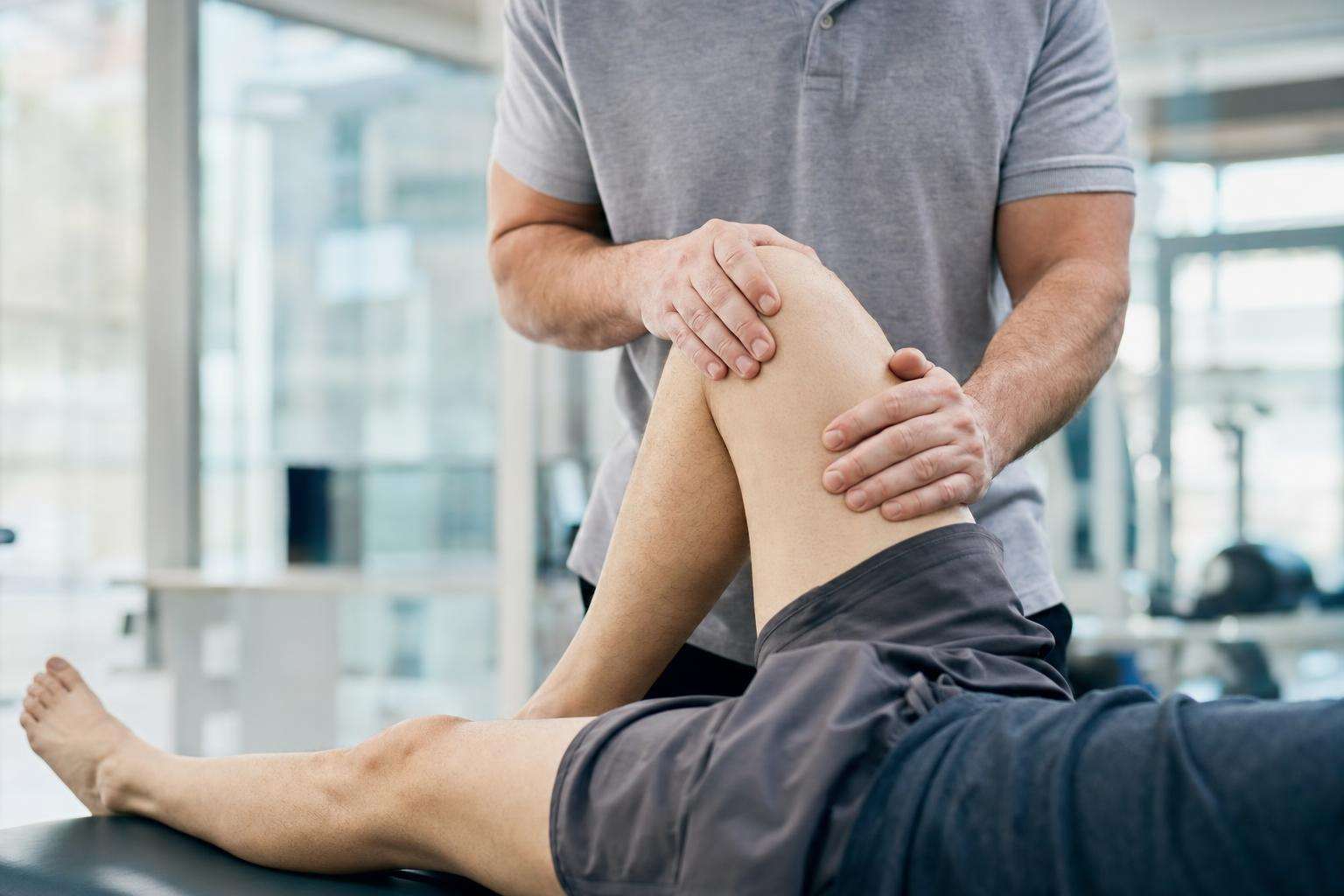
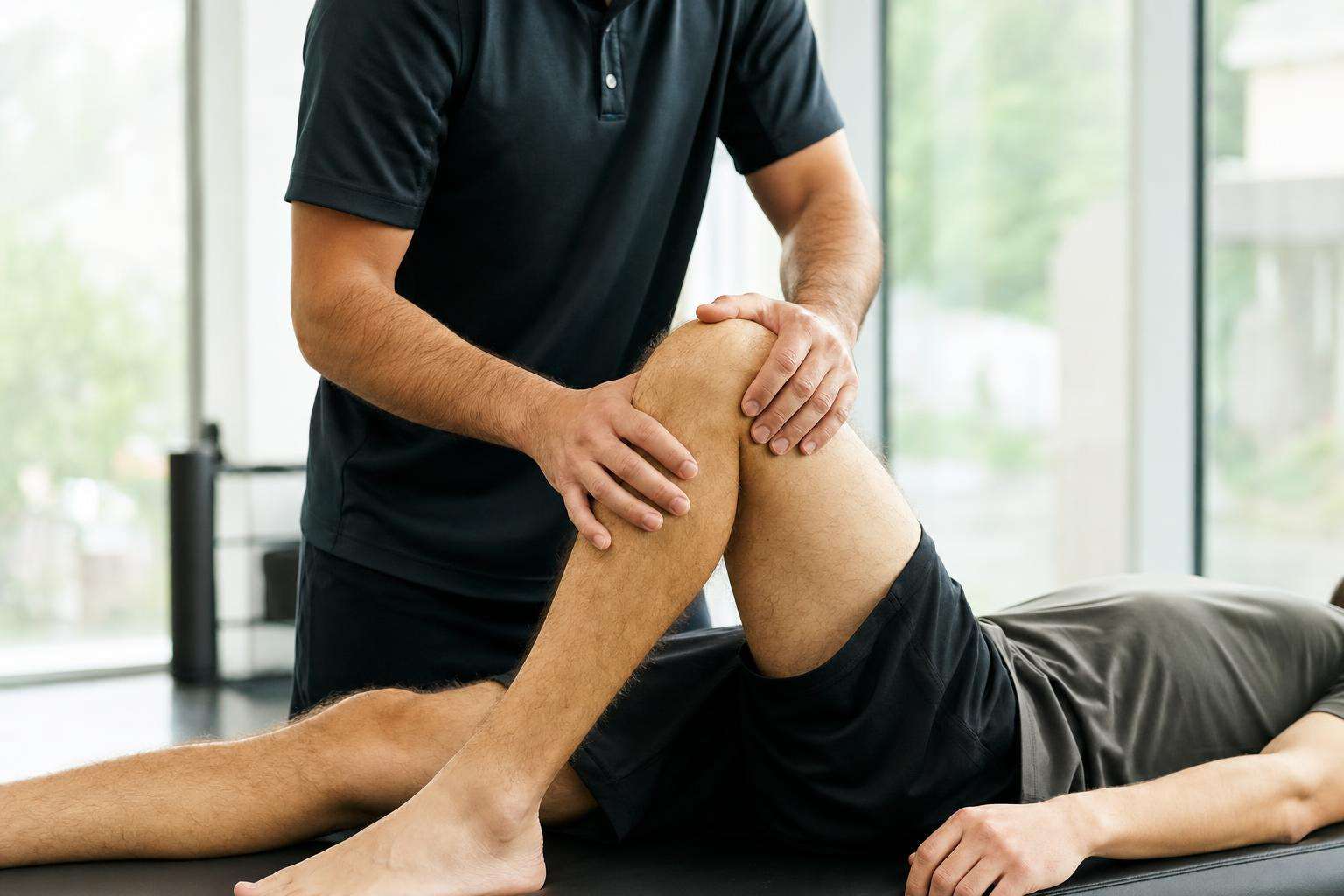
Best Peptides for Joint Health & Pain: Evidence Guide (2026)

A clinical, evidence-graded review of the peptides marketed for joint health and joint pain — BPC-157, TB-500/thymosin β-4, GHK-Cu and ARA-290 — ranked honestly by the strength of their human vs preclinical data.

By Elena Soto, PharmD 12 MIN READ
Weight Loss & Metabolic

Best Peptides for Insulin Sensitivity & Blood Sugar: Evidence Ranked

A clinical-evidence ranking of the peptides marketed for insulin sensitivity and blood-sugar control — the incretin drugs that actually work in human RCTs, and the 'mitochondrial' research peptides that do not yet.

By Elena Soto, PharmD 13 MIN READ
Injuries & Orthopedics

Best Peptides for Injury Prevention & Connective-Tissue Resilience (2026)

An evidence-graded review of the peptides marketed to 'injury-proof' tendons and ligaments. The honest 2026 verdict: prevention is the single most speculative claim in the peptide literature — no human prevention RCT, and no controlled animal prevention study, exists for any candidate.

By Marcus Feld, PharmD, BCPS 13 MIN READ
Immune, Gut & Longevity

Best Peptides for Inflammaging & Chronic Inflammation: Evidence (2026)

An evidence-first ranking of the peptides studied for inflammaging and chronic low-grade inflammation of aging — thymosin alpha-1, ARA-290, thymalin, BPC-157 and KPV — separating real human trials from preclinical promise, and flagging the bidirectional immune risk.

By Elena Soto, PharmD 13 MIN READ
Immune, Gut & Longevity

Best Peptides for IBD (Crohn's & Ulcerative Colitis): Evidence (2026)

An evidence-first ranking of the peptides studied for inflammatory bowel disease — BPC-157, KPV, thymosin alpha-1 and larazotide acetate — separating decades of rodent colitis data from the near-total absence of human IBD trials.

By Elena Soto, PharmD 12 MIN READ
Immune, Gut & Longevity

Best Peptides for IBS & Gut Health: Evidence Review (2026)

An evidence-first ranking of the peptides studied for IBS — the FDA-approved GC-C agonists linaclotide and plecanatide, plus larazotide, BPC-157 and KPV — separating real human trials from preclinical promise and marketing hype.

By Elena Soto, PharmD 12 MIN READ
Immune, Gut & Longevity

Best Peptides for Immune Support: Clinical Evidence (2026)

An evidence-first ranking of the peptides studied for immune support and function — thymosin alpha-1, thymalin, LL-37 and thymogen — separating a genuine Grade A human-trial candidate from single-school and preclinical claims.

By Elena Soto, PharmD 12 MIN READ
Injuries & Orthopedics

Best Peptides for Hip Injuries, Labral Tears & Bursitis (2026)

An evidence-graded review of the peptides marketed for hip labral tears, femoroacetabular impingement, gluteal tendinopathy (GTPS) and hip bursitis. The honest 2026 verdict: no peptide has a human hip trial — the evidence tops out at animal models, while exercise and PRP hold the real human RCT data.

By Marcus Feld, PharmD, BCPS 12 MIN READ
Skin, Hair & Aesthetic

Best Peptides for Thinning Hair & Density: Evidence Ranked

An evidence-graded ranking of the peptides marketed for hair thinning, density, and shedding — separating the modest human topical data from the mechanistic and mouse-only hype.

By Elena Soto, PharmD 12 MIN READ
Skin, Hair & Aesthetic

Best Peptides for Hair Loss: 2026 Evidence Review

An evidence-graded ranking of the peptides marketed for androgenetic alopecia — zinc-thymulin, biotinoyl tripeptide-1/Procapil, GHK-Cu copper peptide, and PTD-DBM — separating the small human data from mouse work, blends, and marketing.

By Elena Soto, PharmD 13 MIN READ
Immune, Gut & Longevity

Best Peptides for Frequent Illness & Low Immunity: What the Evidence Shows

A clinical, evidence-first review of the thymic peptides marketed for recurrent infections — thymosin alpha-1, thymalin, thymulin and thymogen. The honest headline: no peptide has an RCT showing it prevents everyday colds.

By Marcus Feld, PharmD, BCPS 12 MIN READ
Sexual & Hormonal Health

Best Peptides for Growth Hormone Optimization: The Evidence Ranked

An evidence-first ranking of the GH secretagogues sold for 'growth hormone optimization' — tesamorelin, MK-677, CJC-1295, sermorelin and ipamorelin — separating what raises GH/IGF-1 in humans from what only sounds like it should.

By Marcus Feld, PharmD, BCPS 13 MIN READ
Skin, Hair & Aesthetic

Peptides for Hair Growth: Evidence, Grades & Safety

A clinical, evidence-first ranking of the peptides marketed for hair regrowth — zinc-thymulin, copper peptides, biotinoyl tripeptide-1 (Procapil) and PTD-DBM — graded honestly, with human versus preclinical evidence kept strictly separate.

By Elena Soto, PharmD 12 MIN READ
Energy, Cognition & Mood

Best Peptides for Focus & Brain Fog: Clinical Evidence (2026)

A clinical, evidence-graded look at the peptides marketed for focus and "brain fog" — Semax, Selank, Cerebrolysin and the N-Acetyl modified analogs — separating the small human attention signal from preclinical mechanism and pure marketing.

By Marcus Feld, PharmD, BCPS 13 MIN READ
Injuries & Orthopedics

Peptides for Fracture & Bone Healing: The Evidence, Ranked (2026)

A clinical, evidence-graded ranking of the peptides studied for bone — from the FDA-approved PTH-class anabolics with Grade A fracture-prevention RCTs to the entirely preclinical regenerative peptides.

By Marcus Feld, PharmD, BCPS 12 MIN READ
Energy, Cognition & Mood

Best Peptides for Fatigue & Low Energy: What the Clinical Evidence Actually Shows

A clinical, evidence-first review of the peptides marketed for fatigue and low energy — elamipretide (SS-31), thymosin alpha-1, MOTS-c, CJC-1295 and ipamorelin. The blunt headline: no peptide has a positive fatigue RCT in healthy people.

By Elena Soto, PharmD 12 MIN READ
Sexual & Hormonal Health

Peptides for Fertility: Egg & Sperm Evidence Ranked (2026)

The honest fertility-peptide record: the strongest evidence belongs to the prescription reproductive hormones already in every IVF clinic — hCG, gonadotropins, gonadorelin — plus one investigational frontier, kisspeptin. No over-the-counter research peptide has human fertility data.

By Elena Soto, PharmD 12 MIN READ
Sexual & Hormonal Health

Best Peptides for Erectile Dysfunction: Clinical Evidence (2026)

A clinical-editorial ranking of the peptides studied for erectile dysfunction — melanocortin agents (PT-141, melanotan-2) and kisspeptin — graded honestly against the AUA first-line standard. No peptide is FDA-approved for ED.

By Marcus Feld, PharmD, BCPS 12 MIN READ
Injuries & Orthopedics

Best Peptides for Endurance & Aerobic Performance: Evidence (2026)

An evidence-graded review of the peptides marketed for endurance and aerobic performance — elamipretide (SS-31), MOTS-c and AOD-9604. The honest 2026 verdict: no peptide is proven to raise VO₂max or race performance in healthy humans, the category is preclinical-dominant, and MOTS-c is WADA-banned at all times.

By Marcus Feld, PharmD, BCPS 13 MIN READ

Frequently asked about By Condition & Goal

How do you decide which peptide is "best" for a condition?

We rank by evidence strength, not by popularity or marketing. For each condition we look at the highest-quality human evidence available — randomized controlled trials first, then cohort and open-label studies — and grade each candidate A-D. A peptide with weak human data but strong rodent results is graded accordingly and ranked below better-evidenced options. Where no peptide has solid human evidence for a goal, we say so plainly rather than implying one works. Every ranking is informational, not a treatment recommendation.

Do these guides tell me what to take?

No. These guides are educational and editorial. They explain what the evidence does and does not support for a given condition or goal, but they are not medical advice and they do not prescribe a protocol. Many peptides discussed are not FDA-approved and some are prohibited in sport. Any decision about your health should be made with a licensed clinician who knows your history, not from an article.

Why do some popular peptides rank low?

Popularity and evidence often diverge. Several heavily marketed peptides — including some best-sellers for injury recovery or fat loss — rest almost entirely on animal studies or anecdote, with no completed human trials. Our grading is conservative, so those compounds rank below peptides with genuine human data even when they are more famous. We always explain the gap between how a peptide is promoted and what has actually been proven in people.

Medical Disclaimer · Read in full

PeptideVox is an evidence reference, not medical advice. Nothing here authorizes you to acquire, possess, or self-administer any compound.

01 · Not FDA-approved

The majority of compounds documented here are not approved by the FDA for human use. Approved drugs (e.g. semaglutide, tirzepatide) are noted explicitly and require a licensed prescriber.

02 · Research chemicals

Many peptides — including BPC-157 and GHK-Cu in injectable form — are sold strictly "for research use only — not for human consumption." Purity, identity, and dosing of such products are not regulated or guaranteed.

03 · WADA-prohibited

Several compounds are banned in competitive sport under the WADA Prohibited List. Athletes risk sanction regardless of intent or formulation.

04 · Consult a clinician

Always consult a qualified, licensed healthcare professional before considering any compound. Individual risk depends on your full medical context.

This content is for informational and educational purposes only · No physician–patient relationship is created · Evidence grades reflect published data as of the stated revision and may change.